

front lit led mirror
Thread Gauges A Comprehensive Guide In the realm of engineering and manufacturing, precision is paramount. One tool that has proven invaluable in maintaining this precision is the thread gauge. These devices are specifically designed to measure the pitch diameter of a screw thread, providing engineers and technicians with the critical information they need to ensure the compatibility and performance of threaded components. There are several types of thread gauges available on the market, each with its own unique features and applications. The most common types include plug, ring, and go/no-go gauges. Plug gauges consist of a cylindrical body with a tapered end that is inserted into the thread to be measured. Ring gauges, on the other hand, have two rings of different diameters that are used to determine the size of the thread. Go/no-go gauges are designed to either fit or not fit a specific thread, providing a simple yes or no answer as to whether the thread meets the required standards. When using a thread gauge, it is important to handle it with care to avoid damaging the delicate measuring surfaces. It is also essential to properly align the gauge with the thread being measured to ensure accurate results. To do this, technicians often use a combination of visual inspection and feel to guide them. One of the key benefits of using thread gauges is their ability to detect small deviations in thread size, which can have a significant impact on the performance of a component One of the key benefits of using thread gauges is their ability to detect small deviations in thread size, which can have a significant impact on the performance of a component One of the key benefits of using thread gauges is their ability to detect small deviations in thread size, which can have a significant impact on the performance of a component One of the key benefits of using thread gauges is their ability to detect small deviations in thread size, which can have a significant impact on the performance of a component thread gauges . For example, if a screw thread is slightly too large, it may not properly seat in its mating component, leading to leaks or other issues. Conversely, if the thread is too small, it may not provide enough grip to hold the component securely in place. Another important consideration when using thread gauges is calibration. Over time, even the most carefully maintained gauges can become misaligned or worn, leading to inaccurate measurements. To ensure the accuracy of thread gauge readings, it is essential to regularly calibrate them against known standards. This process typically involves comparing the gauge's measurements to those of a reference standard, such as a master thread gauge or a machine tool setting dial. In conclusion, thread gauges are indispensable tools for anyone involved in engineering or manufacturing. By providing precise measurements of screw thread sizes, these devices help ensure the compatibility and performance of threaded components. Whether you are working with standard threads or custom designs, a well-maintained thread gauge can save time, reduce waste, and ultimately improve the quality of your products.
about
front lit led mirror
Understanding Thread Ring Gauge Go and No-Go Measurements In the world of precision manufacturing and engineering, ensuring the accuracy and reliability of threaded components is crucial. One of the key tools used for this purpose is the thread ring gauge. This article explores the concept of thread ring gauges, specifically focusing on the Go and No-Go standards. What is a Thread Ring Gauge? A thread ring gauge is a cylindrical tool used to assess the thread dimensions of a workpiece. It is designed to provide a definitive measurement of the thread’s pitch, diameter, and profile. Thread ring gauges come in pairs the Go gauge and the No-Go gauge. Together, they help ensure that threaded components meet strict tolerances, which is vital for the interchangeability and functionality of parts in various applications. The Go Gauge The Go gauge is the first of the pair used in the measurement process. Its primary purpose is to confirm that the workpiece’s threads are within acceptable limits. The Go gauge should fit onto the threaded part without excessive force. If the gauge fits easily, it indicates that the thread cut on the workpiece is acceptable regarding the major and minor diameters and the thread pitch. The Go gauge is usually slightly larger than the minimum allowable size of the thread. This ensures that if a part passes the Go gauge test, it can be safely considered to be within acceptable tolerances for its application. The No-Go Gauge thread ring gauge go no go On the other hand, the No-Go gauge serves a different but equally important role. Designed to ensure that the threaded part does not exceed the maximum allowable size, the No-Go gauge should not fit onto the threaded component. If it does fit, the thread is considered out of tolerance and requires remediation, whether that means reworking the part or scrapping it altogether. The No-Go gauge is usually slightly smaller than the maximum allowable size for the thread. This makes it an essential tool for preventing manufacturing errors that could lead to poor assembly or malfunctions in the final product. The Importance of Go and No-Go Gauges The use of Go and No-Go gauges is fundamental in the quality control process of manufacturing threaded components. By using these gauges, manufacturers can ensure their components meet specified dimensions, thus allowing for proper assembly in larger systems. This is particularly important in industries where precision is non-negotiable, such as aerospace, automotive, and medical equipment manufacturing. Another critical aspect is that using Go and No-Go gauges can help in reducing production waste. By identifying defects early in the production process, manufacturers can correct issues before they lead to significant failures, thereby optimizing operational efficiency and reducing costs. Conclusion In summary, thread ring gauges, specifically the Go and No-Go types, play an essential role in the quality assurance of threaded components. They provide a simple yet effective means of verifying that threads conform to specified dimensions, ensuring reliability in manufacturing processes. As industries continue to demand higher precision and quality, the importance of these gauges in maintaining operational standards will only grow. Understanding and implementing these tools is crucial for any organization committed to excellence in manufacturing.
-

High quality industrial productsagement

High quality industrial products
View Details -

Meet the diverse needs of customers

Meet the diverse needs of customers
View Details -

Strict quality control

Strict quality control
View Details -

Top raw materials

Top raw materials
View Details -

Trusted supplier

Trusted supplier
View Details
Our application

news and information

Uso del medidor de anillo en la evaluación de dimensiones de referencia.
El uso de calibres de anillo (ring gauges) es una práctica esencial en la industria de la construcci
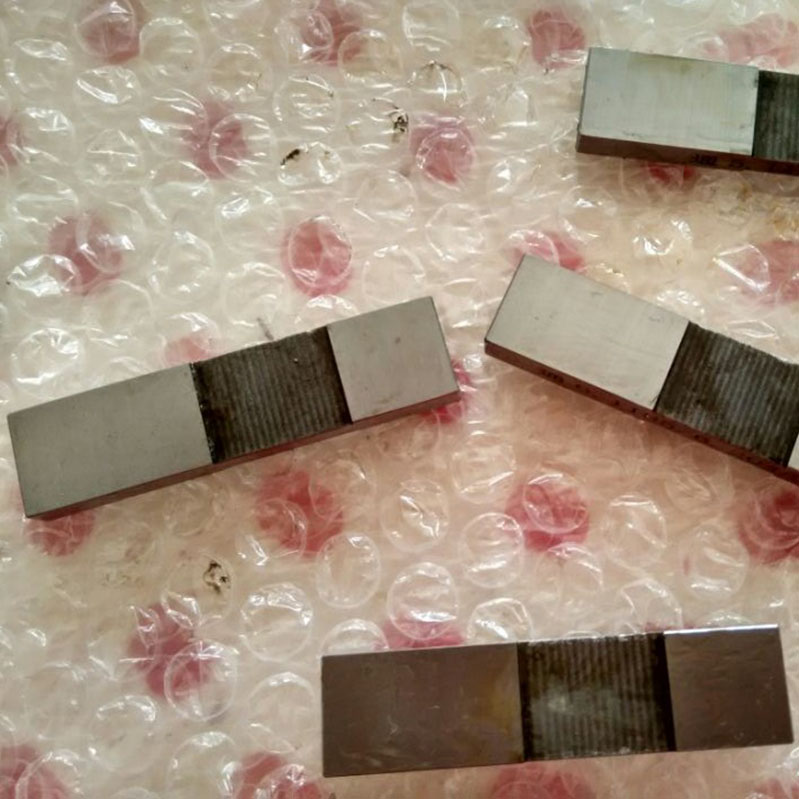
Versatile 4x4 Welding Table for Efficient Metal Fabrication and Assembly
The Versatility and Utility of a 4x4 Welding Table In the world of metalworking and fabrication, hav

Water Gate Valve Pricing Guide for Affordable Options and Quality Choices
water gate valve price
 English